
Catalogue
Retaining Wall Drainage
Retaining wall drainage stops water building up behind the wall. Without proper drainage, waterlogged soil adds hydrostatic pressure that pushes outward on the wall face, and poor drainage is a leading cause of retaining wall failure. This range covers the drainage pipe, geotextile fabric and drainage material for a concrete sleepers wall system.
Shop by type
Shop Retaining Wall Drainage by type
 All accessoriesBrackets, post caps, edge capping and drainage to finish the wall.Shop All accessories →
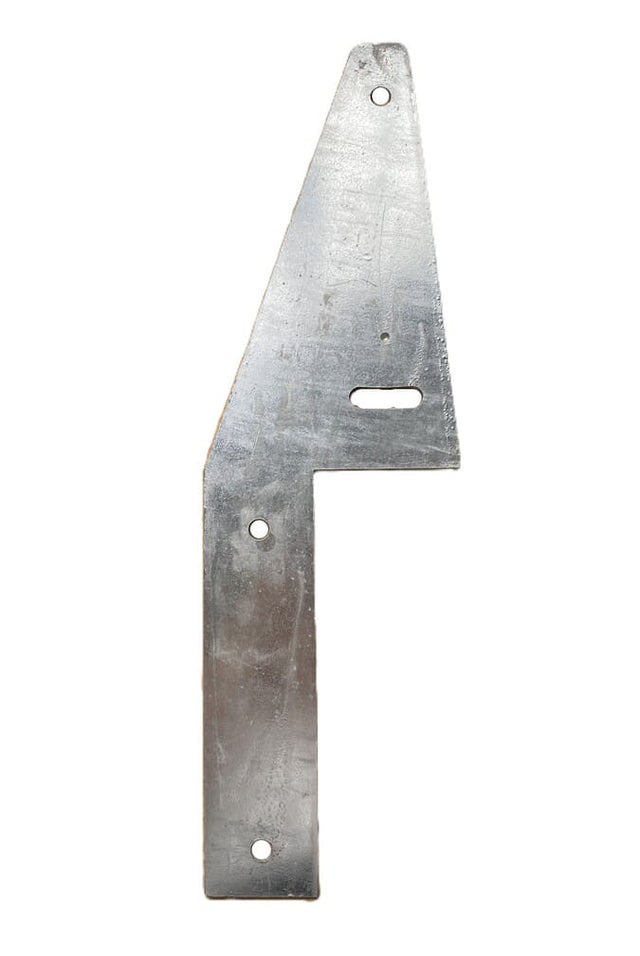 Fence bracketsBolt a Colorbond or timber fence to your retaining wall posts.Shop Fence brackets →
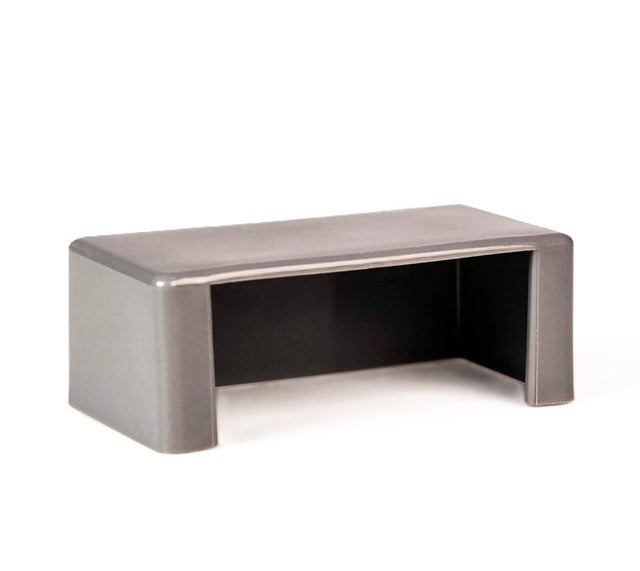 Post capsFinish the top of your posts.Shop Post caps →
 CappingPost caps and edge capping to finish a sleeper wall.Shop Capping →
 Install consumablesShop Install consumables →
 ToolsShop Tools →
Refine products


Material not listed?
Tell us what the job needs.
Send a drawing or product schedule with sizes and quantities so the team can review your list.
Request a quote
Prices include GST. Freight calculated separately.

Not sure which Retaining Wall Drainage you need?
Text us your wall height and length, or a photo of your site, and we'll point you to the right product.
Replies 7am to 6pm

Drainage pipe
Perforated pipe, or agi pipe, at the lowest point to collect water and carry it to a proper outlet.
Filter fabric
Geotextile fabric keeps fine soil particles out of the gravel.
Drainage gravel
A free draining zone of crushed rock so water can flow freely.
One delivery
Ordered with the sleepers and posts for your new wall.
Choose the right product
How a retaining wall drainage system works.
Water pressure is the force acting on a wall that is most often underestimated. A drainage system gives water an easier path than through the wall: down a gravel layer, into a perforated drainage pipe, and away. Drainage matters more as wall height grows, because taller walls hold back more wet soil.
Retaining wall calculator
| Part | What it does | Where it goes |
|---|---|---|
| Gravel backfill | Lets water flow down instead of sitting in the soil | A band of drainage gravel directly behind the retaining wall |
| Geotextile fabric | Stops the surrounding soil washing into the gravel | Between the gravel and the soil |
| Agi pipe | Collects water and drains it away | At the base, falling to an outlet |
| Surface water control | Keeps heavy rain from running in behind the wall | A fall or drain at the top |
Drainage is part of the engineering requirements of a properly designed wall. Outlets must discharge legally, so check with your local council, especially near a property boundary. Soil conditions vary, and reactive clay needs more care than sandy soils.
Complete the job
Everything else the job needs, in the same order.
 Concrete SleepersPlain and patterned sleepers in 75–80mm and 100mm thicknesses.Shop Concrete Sleepers →
 Retaining Wall PostsGalvanised steel H, C and corner posts to hold your sleepers.Shop Retaining Wall Posts →
Retaining Wall CappingPost caps and edge capping to finish a sleeper wall.Shop Retaining Wall Capping →
AccessoriesBrackets, post caps, edge capping and drainage to finish the wall.Shop Accessories →
Order planning
Delivery, lead times and logistics
Delivery
Pipe and geofabric travel with your sleepers and posts. Drainage gravel is a bulk material and may come from a separate supplier. Ask us when you order.
Lead time
Stocked lines. Usually delivered in 1–5 business days. We confirm the date with you before you pay.
Freight is priced to your delivery suburb for most metro areas, or will be confirmed with you before payment.
Delivery and pick up options are shown on each product. Wait for our confirmation before arranging transport or attending for pick up.
Why does a retaining wall need drainage?
Soil that cannot drain gets heavy and pushes on the wall. That pressure threatens the structural integrity of the wall and, over time, the wall's long term stability. Drainage failure rarely shows as a sudden collapse at first, but an undrained wall can end in catastrophic failure after heavy rain.
What drainage does a concrete sleeper wall need?
For most retaining wall applications: gravel backfill, filter fabric and a pipe at the base. The wall material changes the detail. Water can weep between concrete sleepers, while masonry blocks need weep holes built in. Either retaining wall system still needs the gravel and pipe.
Does soil type change the drainage?
Yes. Clay soils hold water and drain slowly, so the gravel zone and pipe do more work. Sandy soils drain faster. Soil movement in reactive clay is a design matter for a structural engineer. Many factors are involved, so local conditions should set the design.
What are the early warning signs of drainage problems?
Bowing sleepers, leaning posts, water pooling at the base, damp patches that do not dry, and soil washing through the joints. These are signs of wall failure starting. Check that the outlet is clear and water flow is not blocked.
Is this the same as a French drain?
It is the same idea. A French drain is a gravel trench with a perforated pipe in it. Behind a wall, the trench is the gravel zone against the back of the sleepers.
Who should install wall drainage?
On a low wall, drainage is within reach of a careful owner. For taller walls, use a licensed contractor working to an engineer's design. A professional contractor or professional team will know the construction methods that suit your site, and experienced professionals are worth the cost on any large retaining wall project.
The Site Journal
Know more before you order.
All trade guides → Retaining walls / 14 min read
Retaining Wall Drainage: Designing Drainage That Actually Works
Read the guide →
 Retaining walls / 11 min read
How to Build a Retaining Wall: A Complete DIY Guide
Read the guide →
 Retaining walls / 16 min read
Retaining Wall Regulations QLD: Council Approval, Engineers & Surveyors Explained
Read the guide →
Shop by location
Retaining Wall Drainage delivered near you
- Retaining Walls Brisbane Without Budget Blowouts Or Council Headaches →
- Retaining Wall Supplies for North Brisbane & Sunshine Coast →
- Retaining Walls Brisbane Southside: Premium Concrete Sleepers Delivered Fast →
- Retaining Walls in Logan – Concrete Sleepers, Steel Posts & Supplies Delivered →
- Retaining Walls Ipswich – Concrete Sleepers & Supplies Delivered →
- Retaining Walls Redlands: Durable Bayside Solutions Without Blowing Your Budget →
- Retaining Walls Toowoomba: Get a Quote for Supply & Delivery →